Chapter 6 * The Top Hat Technique
Introduction – From Joane
For many years, I have used a simple concept to help parents understand how a child’s mind opens to loving reassurance during sleep. I call it the Top Hat Technique.
It is not a medical explanation. It does not attempt to describe the brain in scientific language. It is a friendly image — something visual and memorable — that helps parents picture how the conscious and subconscious parts of the mind relate to one another during light sleep.
Thousands of parents have told me this model gave them clarity. It turns something abstract into something they can hold in mind.
I am pleased to be able to share it with you.
Why The Top Hat Technique Helps
The Goulding System works with the way the mind receives emotional information.
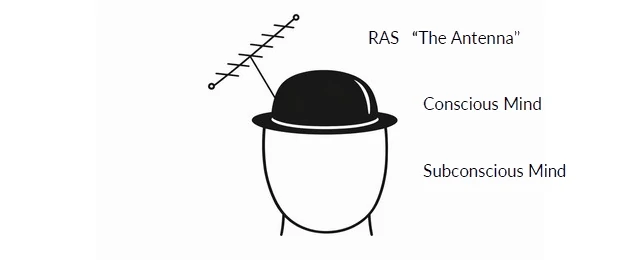
To make this easier to understand, the Top Hat Technique uses a simple metaphor: the conscious mind is pictured as a hat resting on the head, while the subconscious lies beneath as the deeper emotional layer.
An antenna rising from the hat represents the Reticular Activating System (RAS), which helps regulate alertness and the brain’s responsiveness to stimuli.
The model aligns with psychological and sleep research. During light sleep, the brain naturally alters how it filters sound and sensation [30].
The conscious layer becomes quieter. Emotional systems become more receptive [31]. This is the window the Goulding System uses.
The Conscious Mind – The Hat On
During waking hours, the conscious mind analyzes, compares, and evaluates. In the model, this is the hat seated firmly in place
When a child is awake, reassurance passes through this filter. If the message conflicts with how the child feels, it may be questioned.
An anxious child may hear “You are secure” but respond internally, “No, I’m not.”
A discouraged child may hear “You’re doing well” yet think, “But I made a mistake.”
The conscious mind protects existing beliefs. It checks for consistency. It resists contradiction.
Daytime reassurance remains valuable and important. But it does not always reach the deeper emotional structures stored beneath.
The Subconscious – The Mind Beneath
Beneath the hat lies the subconscious — the feeling-based layer where emotional memory and early beliefs are stored.
It does not argue in the same way as the conscious mind. It responds to repetition, tone, and emotional meaning.
Children absorb impressions continuously: adult reactions, sibling dynamics, classroom experiences, self-talk. Some impressions reinforce confidence. Others weaken it.
The Top Hat Technique provides a way to gently support this inner layer without confrontation.
The Reticular Activating System – The Antenna
The antenna represents the reticular activating system (RAS), also called the ascending reticular activating system (ARAS). It acts as the brain’s “wake-up control,” helping regulate alertness and biasing which incoming signals are strong enough to interrupt sleep [32].
Even during sleep, the brain doesn’t fully shut down: arousal and sound-processing systems can still respond to the environment.
As a result, steady background noise is less likely to change the sleep state, while familiar sounds, such as a parent’s voice, are more likely to trigger brief stirring or partial arousal rather than full waking [33].
During lighter sleep, the brain is generally more sensitive to changes.
Familiar voices or meaningful cues may be detected without immediately pulling the child all the way out of sleep. [34].
Some sections of this chapter relating to the operational structure and implementation of the Goulding System Foundation Routine have been abbreviated or removed from the online edition.
The complete material remains available in the Complete and Concise Editions.
The Three Steps Of The Top Hat Technique
The model becomes practical when expressed as a three-part process aligned with natural sleep rhythms.
Step 1 — Lift The Hat (The Opening Process)
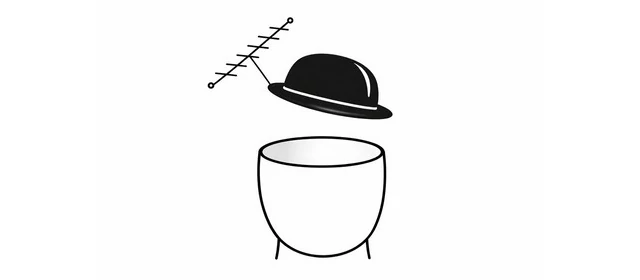
Diagram — Step 1 — Lift the Top Hat (The Opening Process)
Step 2 — Deliver The Foundation Statement
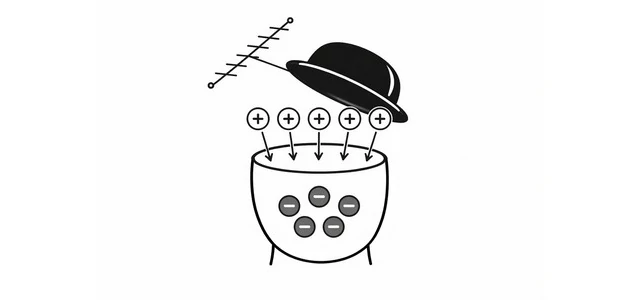
Diagram —Step 2 — Deliver the Foundation Affirmations
Step 3 — Return The Hat (The Closing Sequence)
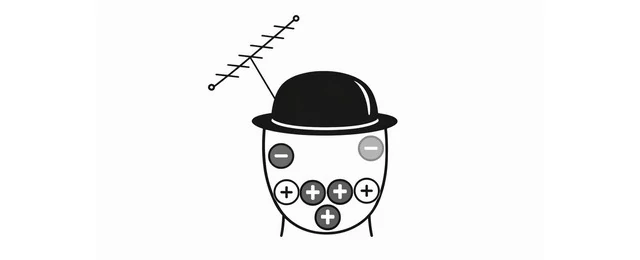
Diagram — Step 3 — Return the Top Hat (The Closing Sequence)
Consolidation Through Repetition

Diagram — Consolidation Through Repetition (Integration over time)
How The Model Connects To The Goulding System
The Top Hat Technique is a teaching tool, not the intervention itself. It explains why timing matters, why tone matters, and why repetition shapes belief.
By lifting the hat, offering reassurance, and returning the hat gently, parents create small moments of emotional reinforcement.
Those moments accumulate.
Summary – The Simplicity And Science Behind The Model
The Top Hat Technique translates complex neurological processes into accessible imagery. During light sleep, the conscious filter quietens. The RAS remains protective. The subconscious becomes more receptive.
The metaphor remains useful because it reflects a practical truth: children respond to love delivered consistently and at the right moment.
Top Hat Technique Diagram Key
|
Icon |
Name |
Explanation |
|
|
Conscious Mind |
Represents the evaluating, filtering layer of awareness. Seated Hat = stable processing |
|
|
Conscious Mind |
Represents the evaluating, filtering layer of awareness. Lifted Hat = reduced filtering. |
|
|
Reticular Activating System (RAS) |
Symbolises the RAS — regulating arousal and attention. It reflects receptivity, not belief insertion. |
|
|
Subconscious Mind |
Represents the deeper layer where repeated impressions form belief structures. |
|
|
Incoming Affirmation |
An affirmation in the delivery stage. |
|
|
Integrated Belief |
A positive belief consolidated through repetition. |
|
|
Limiting Belief |
An existing belief structure currently supported. |
|
|
Weakening Belief |
A belief losing structural support as integration strengthens. |


Note: The diagrams are representations of process, not anatomical illustrations.